How Growth Systems For B2B streamlines inventory management
Wiki Article
Revolutionize Your Business: Just How AI Automation Is Changing B2B Operations
AI automation is improving B2B procedures in considerable means. Firms are adopting this technology to simplify process and enhance efficiency. As jobs end up being automated, services can concentrate on strategic development instead of mundane procedures. The implications of these modifications are profound, influencing everything from consumer interactions to supply chain management. Comprehending this transformation is essential, as the future of company hinges on the efficient assimilation of AI right into day-to-day operations. What exists ahead in this developing landscape?Comprehending AI Automation in B2B Context
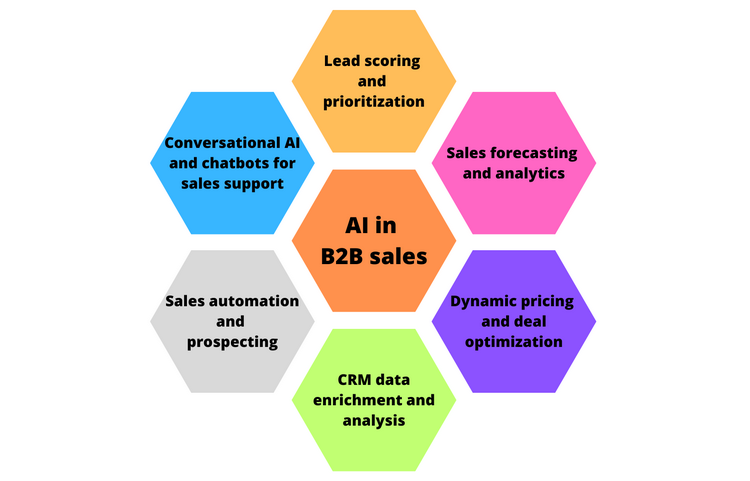
As companies significantly seek effectiveness, recognizing AI automation within the B2B context becomes essential. AI automation refers to the application of synthetic knowledge technologies to enhance and boost business processes. In B2B atmospheres, this can manifest in various kinds, such as automating information entry, enhancing supply chain logistics, or boosting inventory monitoring. Organizations leveraging AI automation can reduce operational expenses, decrease human mistake, and boost productivity. In addition, AI devices can evaluate substantial amounts of data to supply workable understandings, enabling educated decision-making. The assimilation of AI right into B2B procedures not only changes traditional workflows yet likewise fosters dexterity and scalability, enabling services to adapt to market modifications swiftly and effectively. Embracing this innovation is necessary for remaining competitive in today's digital landscape.Enhancing Client Experience Through AI
Exactly how can AI transform consumer interactions in the B2B industry? AI enhances consumer experience by offering personalized, timely, and effective service. Digital assistants and smart chatbots can deal with inquiries 24/7, ensuring customers obtain instant feedbacks. Anticipating analytics allow services to anticipate client demands, tailoring offerings accordingly. AI-driven platforms can examine client information, enabling for targeted advertising approaches and boosted engagement. In addition, view analysis tools examine client comments, aiding companies fine-tune their solutions. By automating regular tasks, AI maximizes human sources to concentrate on high-value communications, promoting more powerful partnerships. The integration of AI not just improves interaction but additionally constructs trust and commitment, eventually elevating the overall consumer experience in the competitive B2B landscape.Improving Supply Chain Management With AI
AI plays an essential duty in enhancing supply chain administration with predictive analytics and automated supply control (Minarik AI). By leveraging predictive analytics, businesses can prepare for demand fluctuations and change their operations as necessary. Automated supply systems better enhance effectiveness by making certain supply levels are kept, lowering waste and boosting general efficiency
Anticipating Analytics Advantages
While numerous companies deal with difficulties in taking care of complicated supply chains, predictive analytics offers a transformative solution by leveraging substantial quantities of data to forecast fads and enhance procedures. By examining historic information along with real-time inputs, predictive analytics enables companies to identify patterns and prepare for future needs. This insight permits even more informed decision-making, enhancing effectiveness and decreasing expenses. In addition, companies can proactively address possible disturbances by predicting supply chain traffic jams and readjusting methods accordingly. The assimilation of predictive analytics not only enhances inventory monitoring yet likewise fosters more powerful connections with distributors and customers through prompt responses to market changes. Eventually, the adoption of anticipating analytics equips companies to stay affordable in a progressively vibrant business setting.Automated Inventory Control
As companies increasingly depend on predictive analytics to enhance supply chain operations, automated supply control arises as an effective ally in this initiative. By leveraging AI-driven innovations, firms can boost precision in supply monitoring, reduce stockouts, and minimize excess stock. Automated systems examine real-time information, permitting businesses to anticipate need variations and readjust supply levels accordingly. This not only improves order satisfaction however additionally improves capital administration by decreasing holding expenses. Furthermore, AI can determine patterns in purchasing habits, allowing more educated decision-making concerning supplier connections and purchase methods. Inevitably, automated supply control not just improves operational efficiency but additionally boosts consumer fulfillment by guaranteeing product accessibility, solidifying its function as an essential part in contemporary supply chain monitoring.Data-Driven Choice Making Powered by AI
In today's affordable landscape, companies progressively count on data-driven decision-making to improve operational efficiency and strategic preparation. Artificial intelligence plays an essential function in this transformation by evaluating vast quantities of information promptly and accurately. AI formulas recognize patterns, trends, and abnormalities that human analysts might overlook, making it possible for services to make educated decisions based upon real-time insights - Growth Systems For B2B. This ability permits companies to predict market changes, maximize resource allocation, and customize their offerings to consumer needs. Additionally, AI-driven analytics help with threat assessment and management, ensuring that organizations can browse unpredictabilities properly. By leveraging these advanced devices, organizations not only boost their decision-making processes yet likewise get a competitive benefit in their particular markets, fostering growth and developmentAutomating Repeated Jobs to Increase Performance
Streamlining recurring jobs through automation considerably enhances performance within B2B operations. By applying AI-driven options, companies can get rid of mundane activities such as data entrance, invoice handling, and record generation. This shift allows workers to concentrate on higher-value tasks, promoting creative thinking and critical reasoning. Automating these taxing processes not just reduces human mistake but also accelerates process effectiveness. Additionally, organizations can attain regular results and improved precision, which is critical in maintaining client fulfillment. The combination of automation tools enables organizations to allot sources better, making certain that groups can react quickly to market demands. Ultimately, adopting AI for repetitive jobs is a calculated step that transforms functional abilities and drives overall business growth.Incorporating AI With Existing Organization Procedures
Many companies face obstacles when integrating AI with existing company procedures. These obstacles usually stem from an absence of understanding pertaining to just how AI can match existing workflows. Effective combination calls for a thorough evaluation of existing operations to identify areas where AI can include worth. Organizations should additionally guarantee that their groups are geared up with the required abilities to leverage AI tools effectively - Growth Systems For B2B. Furthermore, seamless combination depends upon the compatibility of AI modern technologies with legacy systems. Companies typically find it valuable to adopt a phased strategy, piloting AI applications in particular divisions check here prior to a more comprehensive rollout. This technique permits for adjustments based on preliminary responses, ensuring smoother shifts and optimizing the potential advantages of AI automation in boosting productivity and efficiencyFuture Trends in AI Automation for B2B Companies
As B2B business seek to the future, enhanced data analytics is readied to play a crucial function in driving decision-making processes. Intelligent process automation will certainly also emerge as a key trend, improving operations and boosting performance. These advancements assure to improve just how services operate, ultimately resulting in more receptive and active organizations.Boosted Data Analytics
While businesses increasingly count on data-driven decisions, the duty of AI in improving data analytics is coming to be extra crucial in B2B procedures. AI technologies facilitate the collection and evaluation of large datasets, making it possible for firms to discover beneficial insights that drive tactical planning. Predictive analytics powered by AI allows organizations to anticipate market fads and consumer behavior with better accuracy. In addition, machine understanding formulas improve information interpretation, determining patterns that human analysts may ignore. This brings about more enlightened decision-making and optimized source appropriation. As B2B companies remain to embrace AI-driven analytics, they can anticipate improved operational effectiveness, boosted client experiences, and an affordable edge in the marketplace. The future of data analytics in B2B rests on incorporating advanced AI capacities.Intelligent Refine Automation
Smart Refine Automation (IPA) is poised to reinvent B2B procedures by flawlessly integrating AI technologies with traditional organization processes. This cutting-edge approach integrates robot procedure automation (RPA) with innovative AI capacities, enabling organizations to enhance effectiveness and precision. Firms can automate repeated tasks, such as data access and billing processing, allowing employees to focus on strategic efforts. IPA likewise leverages artificial intelligence and natural language processing, boosting decision-making via real-time data analysis. As businesses progressively adopt IPA, they can anticipate substantial expense reductions and boosted customer experiences. Future trends indicate an expanding dependence on IPA for scalability and flexibility, positioning organizations to flourish in an ever-evolving industry. Accepting IPA will certainly be vital for maintaining competition in the digital age.Frequently Asked Questions
What Industries Advantage Most From AI Automation in B2B Workflow?
How Can Local Business Carry Out AI Automation Efficiently?
Little organizations can apply AI automation successfully by determining recurring tasks, choosing ideal tools, integrating services progressively, educating team, and continually examining efficiency to maximize procedures, guaranteeing a smooth transition and maximizing performance.What Are the Expenses Related To AI Automation Application?
The expenses connected with AI automation application commonly include software program procurement, infrastructure upgrades, educating personnel, ongoing maintenance, and prospective examination costs. These costs can differ substantially based upon the range and complexity of the automation remedies chosen.How Do I Determine ROI From AI Automation Initiatives?
To determine ROI from AI automation initiatives, one ought to assess price financial savings, productivity enhancements, and earnings development against execution prices. Tracking crucial performance indications over time supplies valuable understandings into performance and general roi.What Abilities Are Needed to Handle AI Automation Projects?
Effective management of AI automation jobs requires skills in task monitoring, data analysis, programming, and understanding AI technologies. In addition, solid interaction, analytical abilities, and adaptability are important for steering the complexities of such efforts.As services progressively look for efficiency, understanding AI automation within the B2B context comes to be important. The assimilation of AI right into B2B operations not only changes conventional workflows yet also promotes dexterity and scalability, permitting businesses to adapt to market adjustments swiftly and effectively. While services increasingly rely on data-driven choices, the function of AI in boosting information analytics is ending up being much more necessary in B2B procedures - AI Automation For B2B. Intelligent Process Automation (IPA) is poised to change B2B operations by flawlessly integrating AI modern technologies with typical service processes. Effective monitoring of AI automation jobs calls for abilities in job management, data evaluation, programs, and recognizing AI modern technologies
Report this wiki page